Ophélie . . . continued

Craquelure

Ophélie: un état d’âme (introduced in my previous post) continues to evolve as I gather up the scattered pieces that were lost, or migrated over to other projects. Today while organizing folders I found an old file and decided to have another go at it. The image was originally comprised of a mask (photo from one of my old acrylic paintings) superimposed over the woman’s face with one of the old boxcar photos as a background. It was pretty awful, but I was determined to make it work. In the end, I ditched the mask and sandwiched the woman between two duplicate layers of the boxcar. Bam! Ophelia is totally cracking up!

While Craquelure is quite different than most of the previous works associated with this project, there’s just something about it. Maybe it’s a reminder that as humans, all of us are composed of many complex layers – layers of ourselves that we construct and deconstruct over time. We build them up, we peel them off, and sometimes they just fall off all by themselves without us even noticing.

Click here for more photos and details about this intriguing project, or go to Ophélie: un état d’âme in the drop-down menu under Projects at the top of this page. Thanks for dropping by.


Ophélie: un état d’âme

Ophélie: un état d'âme

Inspired by Sir John Everett Millais’ painting, Ophelia, from Shakespeare’s Hamlet, I spent several years documenting staged scenes in and under water (both in photography and video), but only a fraction of the material was ever used – for a short video entitled, Hush, and a series of digital collages, including Incommunicado.

The photos depicted here are from a shoot in 2009 that took place in Quebec, where I spent a weekend with a group of artist friends from Montreal and Paris. Alex (above) was making a short film, in which we all took part, either as actors or grips, and I was working on my Ophelia Project, for which my friends spent hours floating in a chilly stream.

Somehow along the way my project stalled, and the photos remained buried in my computer until now. I’ve begun the process of shortlisting and editing a selection in order to finally bring this work to light.

This post is in honour of Alex, who passed away earlier this year. He would have wanted me to finish what I started. This is the beginning.

Less is More

The Dunes of Time

Todays daily prompt is called No Excess, and it asks:

“Perhaps too much of everything is as bad as too little.” – Edna Ferber

Do you agree with this statement on excess?

As an artist and photographer, my take on this topic comes from a feminist aesthetic, and there’s something I’ve been meaning to get off my chest.

I’ve been a member of the premier photography website, 500px, for a few weeks now, and one thing that I’ve begun to find a little annoying is that the site is chock full of sexed up photographs – photos that perpetuate the fetishization of the young, sexualized female stereotype. For those of you who have been following my blog and projects, you’ll know that the topic is near and dear to my heart.

The 500px website is intended to be a community where serious photographers can showcase their best work, network, comment, critique, and learn from each other. While the All Categories page does feature a mix of subjects, though peppered throughout with girls and more girls, the People category leans heavily towards “girls” and sultry models. You just can’t seem to escape the hundreds of nude, scantily clad, or even fully dressed and provocatively posed vixens beckoning the viewer, to um, “take” them, if you catch my drift. Below is a sampling of the ratio that I’m talking about in the People category.

This is a sampling from the People category, which illustrates my point

It’s not that I have anything against boudoir-type photography or skin magazines – they have their niche – but frankly I find the vast majority of this endless glut of images quite boring and unimaginative. They possess no mystery, no subtlety, no originality, no art. And trust me – I’ve spent hours scouring the site for something unique and truly beautiful in this genre. They are there, but very far and few between.

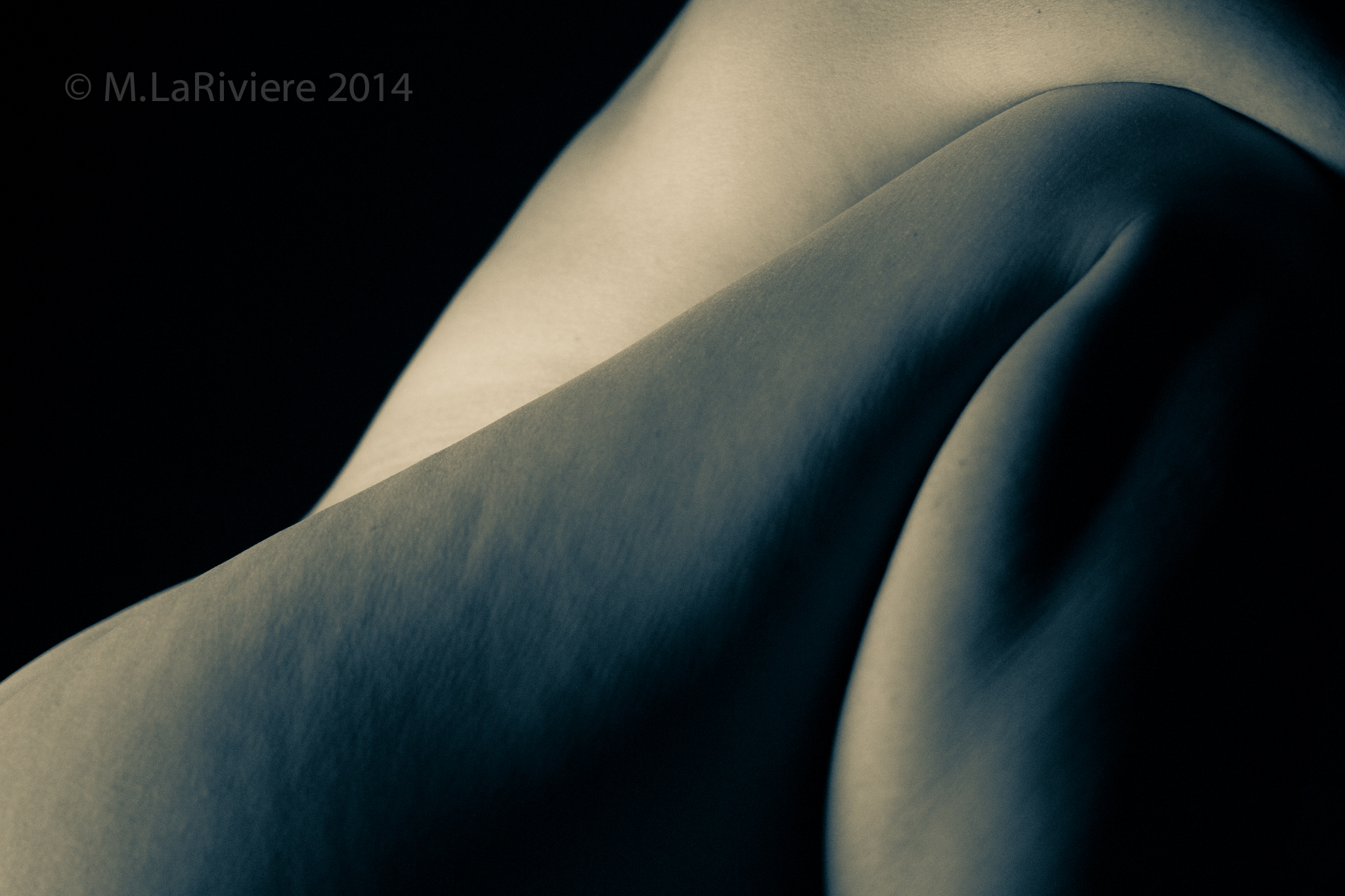
So in considering the statement regarding excess by Edna Ferber, it is certainly true that an avalanche of tits, ass, skin and come-fuck-me faces and poses does nothing but dull the senses and perpetuate the objectification of women and girls. In this sense, less would not be a bad thing – in fact, less would be more in all the right ways – more subtlety, more taste, more mystique, and more imagination.